Ever wondered why top MotoGP riders seem to glide through corners like they’re on rails while your Sunday ride feels more like a wrestling match? Spoiler alert: It’s not just their talent—it’s tech. Specifically, bike traction control systems that keep those high-powered machines glued to the track. But how does this wizardry work, and can you harness it for yourself?
In this post, we’ll dive deep into bike traction control, uncover its secrets in the world of MotoGP, and give practical tips to elevate your own riding game. You’ll learn about how it works, common mistakes riders make when using it, and even some brutal truths about over-reliance on technology.
Table of Contents
- Why Traction Control Matters in MotoGP
- How Bike Traction Control Works (Explained Simply)
- Top Tips for Using Traction Control Effectively
- Real-Life Examples from MotoGP Legends
- Frequently Asked Questions About Bike Traction Control
Key Takeaways
- Traction control optimizes wheel grip during aggressive maneuvers—key for both pros and hobbyists.
- Misconfigured settings can ruin performance faster than you think.
- MotoGP champions use advanced traction algorithms as part of their competitive edge.
- Avoid relying solely on tech; skill development remains critical.
Why Traction Control Matters in MotoGP
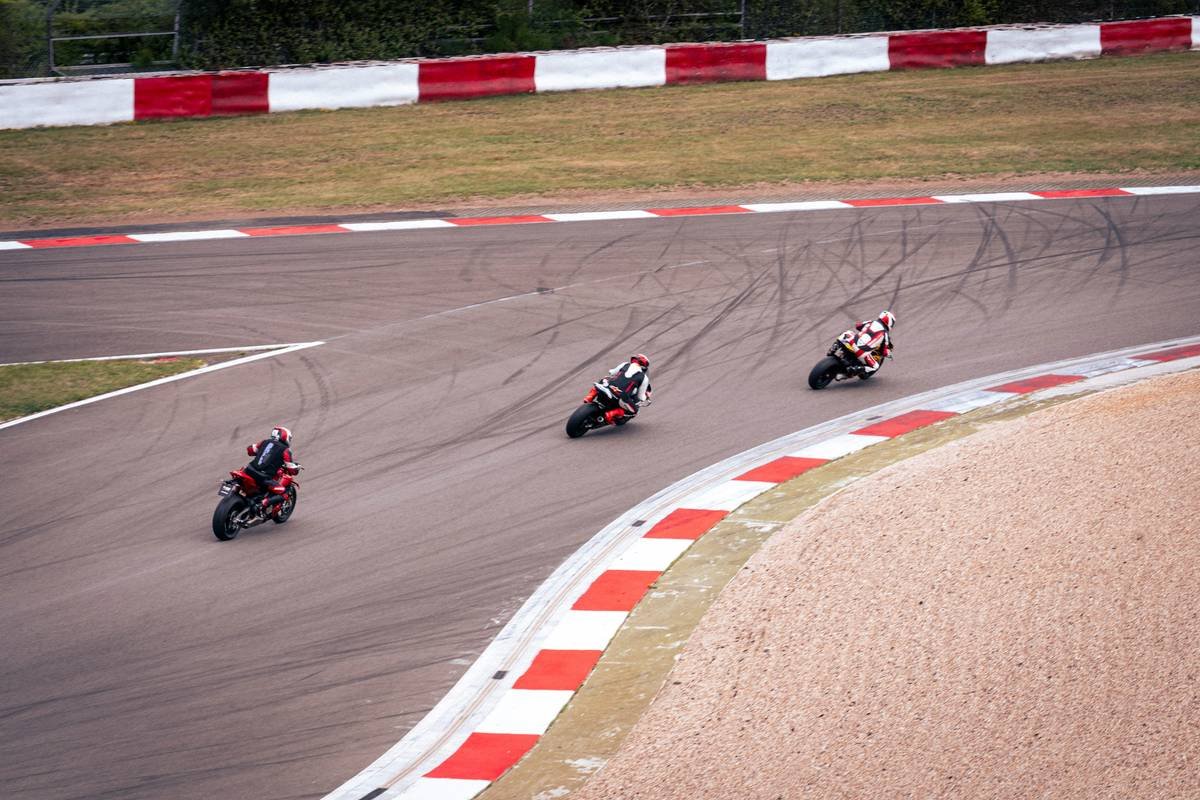
Picture this: You’re mid-corner at 200 km/h on a MotoGP bike. Suddenly, your rear wheel starts spinning uncontrollably because you’ve cracked open the throttle too aggressively. Without proper intervention, disaster strikes—either a crash or lost time. Enter bike traction control.
This system isn’t just fancy software; it’s life insurance for racers pushing bikes to insane limits. By monitoring wheel speed differentials and adjusting power delivery, traction control ensures maximum grip without sacrificing speed. Think of it as having an invisible hand gently dialing back unnecessary slip so you can focus on attacking the apex.
But here’s the rub: Misunderstanding or misusing these systems can cost precious milliseconds—or worse—injuries. I once heard a story about a rookie who forgot to adjust his traction map before rainy conditions. Let’s just say his race ended quicker than last season’s trending TikTok challenges.
How Bike Traction Control Works (Explained Simply)
Okay, Optimist You might be thinking, “This sounds amazing!” Meanwhile, Grumpy You chimes in, “Ugh, fine—but only if coffee’s involved.” Fair enough. Here’s the quick-and-dirty breakdown:
- Sensors Do Their Thing: Wheel-speed sensors continuously monitor rotational speeds of front and rear wheels.
- Brainiac Software Steps In: An onboard ECU compares real-time data against pre-programmed thresholds.
- Power Delivery Adjusts Automatically: If slippage exceeds safe parameters, the ECU cuts engine output momentarily to restore balance.
If that explanation made your head spin (pun intended), imagine doing it all while leaned over at 60 degrees! Pro tip? Always double-check default maps provided by manufacturers—they’re usually spot-on but never perfect.
Top Tips for Using Traction Control Effectively
Ready for the ultimate guide to mastering traction control like Marc Márquez himself? Okay then:
- Know Your Levels: Most modern systems come with adjustable levels. Level 1 offers minimal intervention, ideal for dry tracks. Crank it up for wetter surfaces.
- Practice Makes Perfect: Spend hours tweaking until you find what suits YOUR style—not someone else’s.
- Combine Tech with Skill: Don’t get lazy. Use traction control as a safety net, not a crutch.
Now for the terrible tip rant…
“Just ignore tuning altogether.” Yes, seriously, let’s talk about why skipping setup is dumb. One guy I know thought he’d outsmart everyone by leaving everything stock. Fast forward to lap three: ejected straight into a gravel trap because the bike fought him every step of the way. Moral of the story? Respect the tech—or pay dearly.
Real-Life Examples from MotoGP Legends
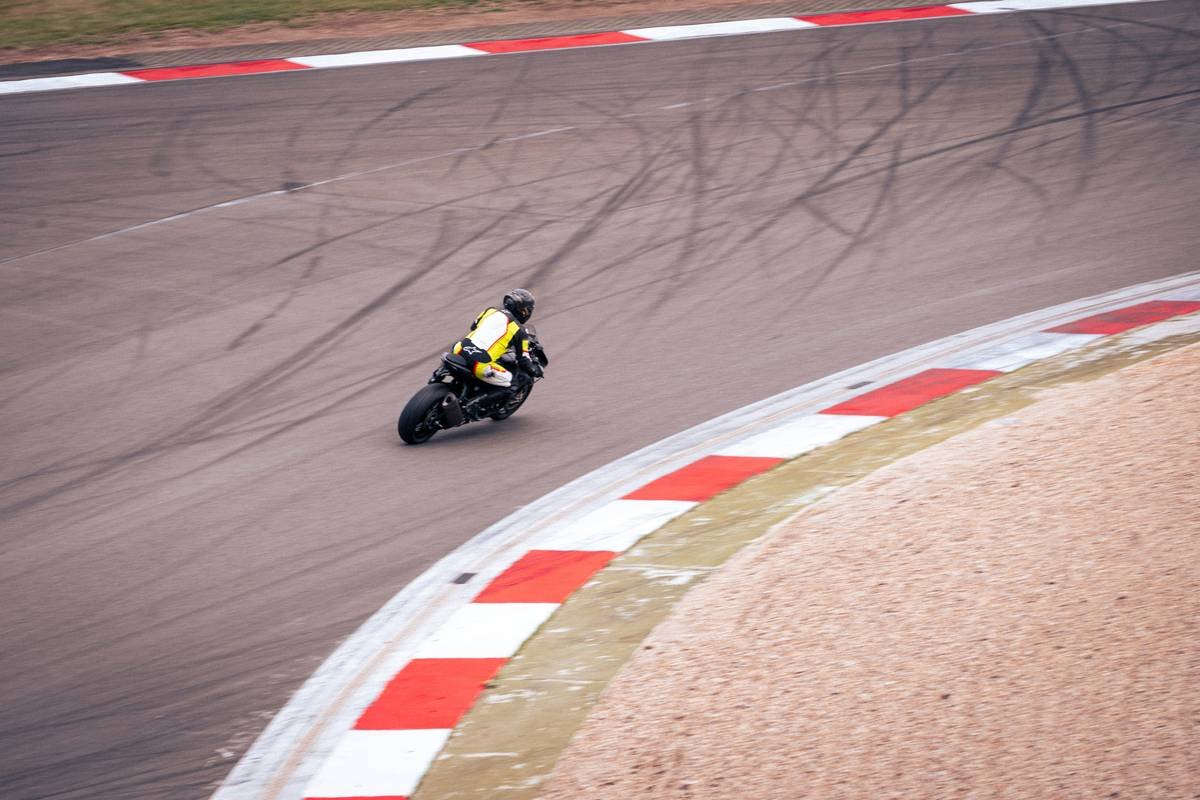
Take Marc Márquez, for instance. The dude has practically rewritten the rulebook on traction management thanks to Honda’s cutting-edge TC system. He famously told reporters once, “It’s not cheating—it’s smart racing.”
Another shining example? Valentino Rossi. Back in his prime, Rossi worked closely with engineers to develop custom maps tailored specifically to his unique riding dynamics. The result? Nine World Championships later… yeah, enough said.
Frequently Asked Questions About Bike Traction Control
- Does bike traction control affect fuel economy?
- Nope! Modern designs prioritize seamless integration with fuel injection systems, meaning negligible impact on consumption.
- Can I upgrade my current street bike with traction control?
- Depends. Aftermarket kits exist, though compatibility varies wildly depending on make/model.
- Is disabling traction control ever beneficial?
- Sure—if you’re seasoned AND super confident—but proceed with caution. Otherwise, stick with defaults.
Conclusion
Congrats—you now know more about bike traction control than most weekend warriors ever will. Whether you’re chasing podium glory or simply hoping to improve your corner exit technique, remember this: Technology enhances skill—it doesn’t replace it.
And there you have it. Go forth and conquer pavement like a MotoGP legend. Just don’t forget to bring snacks along for the pit crew. 😎
Like a Tamagotchi, your SEO needs daily care.