Ever wondered why some MotoGP riders seem to effortlessly glide through elevation-heavy tracks while others struggle? Spoiler alert: It’s not just about the bike.
In this guide, we’ll break down how understanding track elevation changes can level up your race strategy or even help you dominate fantasy leagues. You’ll dive deep into the science behind elevation shifts, actionable tips for fans and analysts alike, real-world examples, and FAQs that answer all your burning questions.
Table of Contents
- Why Do Track Elevation Changes Matter?
- How to Analyze Elevation Changes Like a Pro
- Top Tips for Mastering Elevation Data
- Real-World Insights from MotoGP Legends
- FAQs About Track Elevation Changes
Key Takeaways
- Elevation changes on MotoGP tracks dramatically affect both speed and tire wear.
- Riders need precise preparation and technical adjustments to handle elevation transitions effectively.
- Fans can use elevation data to predict performance and outcomes more accurately.
Why Do Track Elevation Changes Matter?
Let me set the stage. Picture yourself at Austria’s Red Bull Ring—a track known for its steep climbs and descents. The roar of engines echoes as bikes tackle rapid altitude shifts, pushing machines and riders to their limits. Now imagine missing a turn because of an unexpected dip. Oof. Not fun.
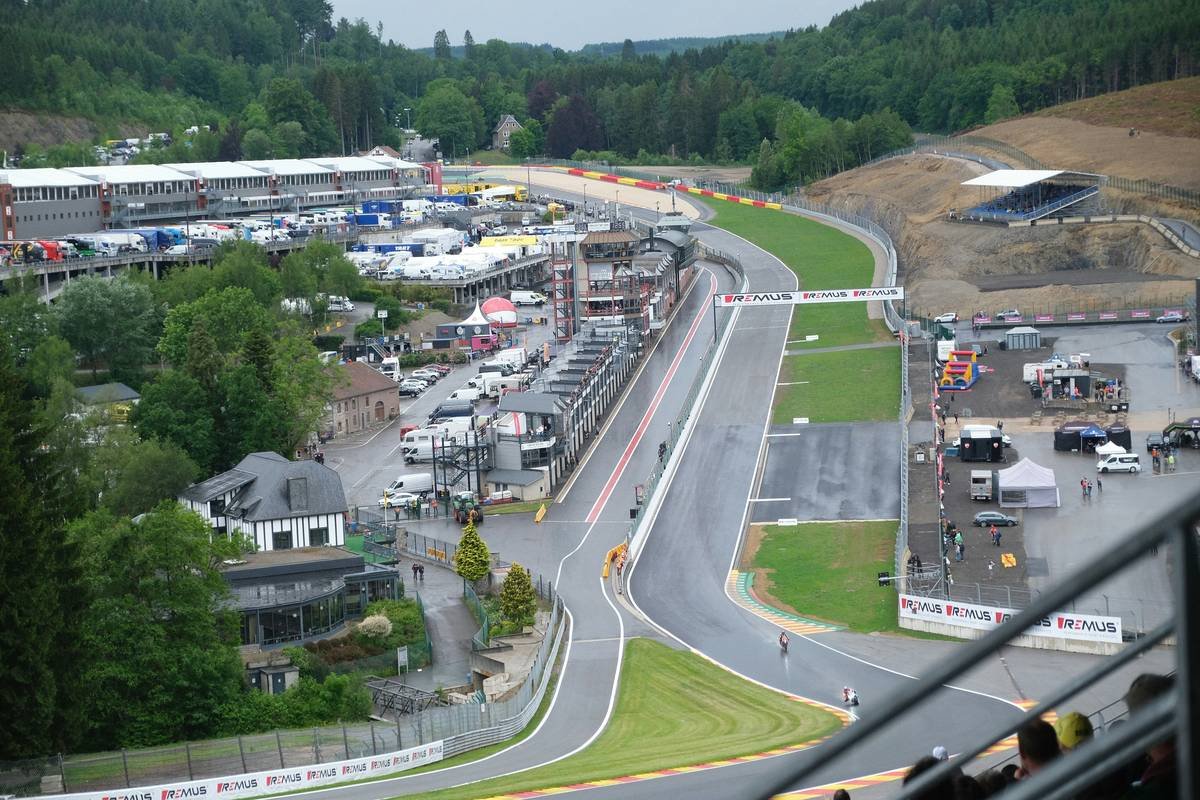
Track elevation isn’t just another stat buried in race notes; it’s a make-or-break factor. Here’s why:
- Physics Overload: Going uphill increases traction needs but reduces engine power efficiency. Conversely, downhill sections demand braking finesse.
- Tire Stress: Constant shifting puts pressure on tires, increasing wear—and potential failure risks.
- Driver Skills: Riders who master these nuances often outperform competitors with beefier equipment.
How to Analyze Elevation Changes Like a Pro
“Optimist Me:” “Follow these steps, and you’ll become a pseudo-track genius!”
“Grumpy Me:” “Unless you’re ready to geek out over graphs, don’t bother.”
Here’s how to decode track elevation changes:
Step 1: Obtain Raw Elevation Data
Find official track maps or GPS tools used by teams. Tools like Google Earth or specialized software like Circuit Tools provide detailed profiles.
Step 2: Identify Key Climbs and Dips
Look for zones where elevation spikes or plummets significantly. For example, COTA in Austin has notorious hills that challenge even seasoned pros.
Step 3: Match Elevation to Corners
Correlate elevation data with corner types. Is there a sharp downhill right before a hairpin? That spells trouble.
Step 4: Simulate Race Conditions
Use simulators to mimic elevation impacts on lap time, fuel consumption, and grip levels.
Top Tips for Mastering Elevation Data
Confession: I once bet big on a rider who tanked due to sloppy prep around high-altitude tracks. Lesson learned? Don’t wing it.
Here are three golden rules:
- Focus on Tires: Select compounds based on expected load distribution (soft for stability during descents).
- Factor Weather: Rain amplifies hazards tied to uneven elevations.
- Anti-Tip Alert: Avoid betting solely on raw horsepower stats—it’s not enough!
Real-World Insights from MotoGP Legends
Remember Marc Márquez at Le Mans? Despite wet conditions, his mastery of tricky elevation changes secured victory against odds. His secret? Tailored suspension settings for each ascent/descent.
FAQs About Track Elevation Changes
Are elevation maps available for every MotoGP circuit?
Yes! Most circuits publish topographic details online.
How much do elevation changes impact lap times?
Varies widely. On extreme tracks like COTA, seconds can swing per lap depending on setup.
Does elevation affect rookie riders differently?
Absolutely. Experienced riders adjust intuitively, whereas rookies may require extra practice.
Conclusion
To sum it up, mastering track elevation changes blends tech-savvy analysis with respect for physics. Whether you’re a diehard fan or aspiring analyst, remember: knowledge + strategy = domination.
Like a Tamagotchi, your racing insights thrive on daily care—so keep refining those skills.