Ever wondered how riders come back from injuries that would sideline anyone else? In the high-octane world of MotoGP, crashes are inevitable, but what makes a comeback story legendary isn’t just about speed—it’s about resilience. Think about this: 70% of MotoGP riders who suffer severe injuries return to racing within a year. But not all comebacks are created equal. Some are so epic they redefine the sport.
In this post, we’ll dive into the dramatic stories behind some of the most iconic MotoGP rider comebacks, break down the steps to recovery, and share insider tips on how these legends manage to reclaim their spots at the top. You’ll also get actionable insights into what separates a good comeback from a great one—plus the brutal truth about why some never quite make it back.
Table of Contents
- Key Takeaways
- Why Rider Comebacks Matter in MotoGP
- The Science and Steps Behind a Comeback
- Top Tips for an Iconic Comeback
- Legendary Examples of MotoGP Rider Comebacks
- Frequently Asked Questions (FAQs)
Key Takeaways
- MotoGP rider comebacks aren’t just about physical recovery—they involve mental grit and team support.
- The average time for a rider to return after a major injury is 8-12 months.
- Successful comebacks often hinge on innovative training techniques and advanced medical interventions.
- Notable riders like Marc Márquez have redefined what’s possible with determination and cutting-edge rehab.
Why Rider Comebacks Matter in MotoGP
Let’s face it: crashes are part of the deal when you’re hurtling around tracks at over 200 mph. One wrong move, and suddenly your season—or even career—is hanging by a thread. I remember watching Valentino Rossi’s 2010 crash at Mugello; his broken leg was devastating enough, but the way he clawed his way back blew everyone away.
Comebacks matter because they remind us of the human side of racing. They show vulnerability, strength, and sheer willpower—all wrapped up in shiny leather suits. For fans, there’s no better story than seeing a rider defy the odds. It’s like rooting for Rocky Balboa but with carbon-fiber bikes.

But here’s the bitter truth: not every rider can bounce back. Some retire due to lingering effects of injuries, while others lose their competitive edge despite returning physically fit. That’s why understanding the journey—from hospital beds to podium finishes—is crucial.
The Science and Steps Behind a Comeback
Alright, let’s break down what goes into pulling off a jaw-dropping MotoGP rider comeback:
Step 1: Immediate Medical Intervention
Time is muscle—and bone—in MotoGP. The first 48 hours post-crash are critical for stabilizing injuries. Riders typically undergo surgery to fix fractures or repair torn ligaments. Without immediate treatment, the road to recovery becomes exponentially harder.
Step 2: Rehab Like a Beast
This is where the magic happens. Imagine grueling hours of physiotherapy, weightlifting to rebuild strength, and hydrotherapy sessions to loosen stiff joints. “You’ve got to be willing to suffer twice as hard,” says Aleix Espargaró, who famously came back stronger after multiple shoulder surgeries.
Step 3: Mental Resilience Training
Here’s the thing nobody talks about: fear lingers long after the physical wounds heal. Many riders work with sports psychologists to rebuild confidence. Visualization techniques and mindfulness help them conquer the mental hurdles.
Step 4: Team Support and Strategy
Optimist You: “Follow my lead, and we’ll win again!”
Grumpy You: “Ugh, fine—but only if the bike setup’s perfect.”
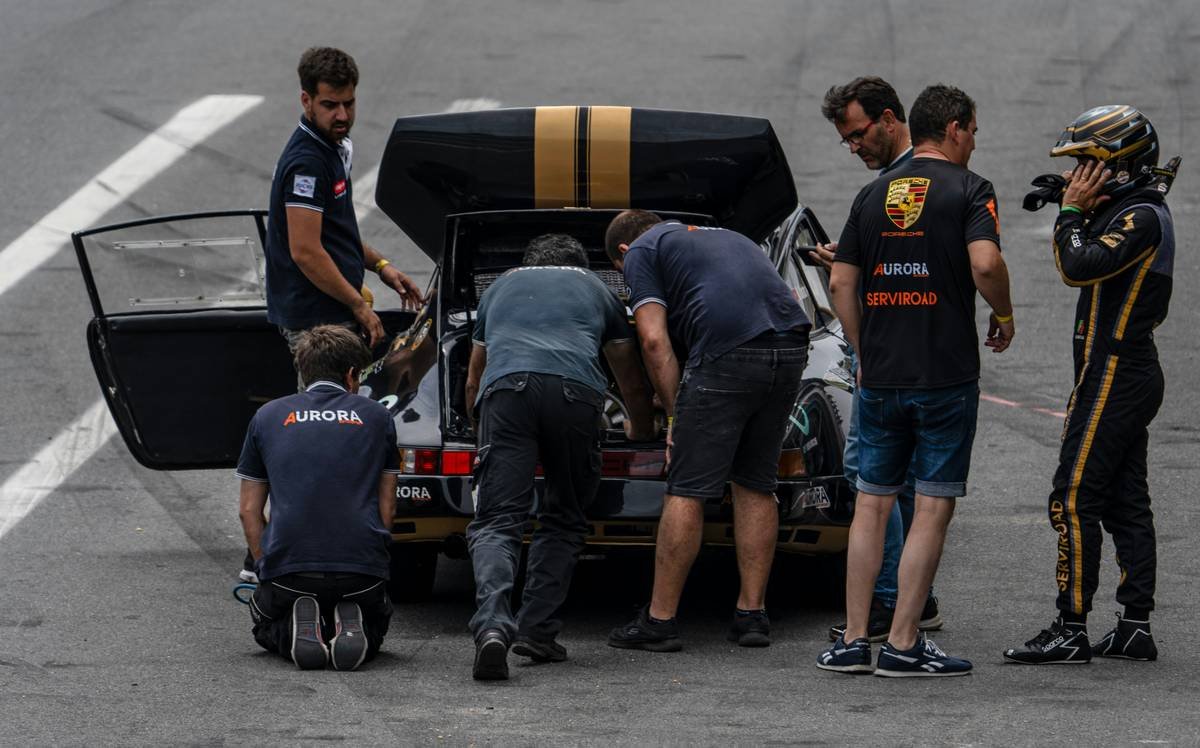
A strong team plays a pivotal role. Engineers tweak bikes, trainers adjust workout plans, and crew chiefs strategize everything from tire pressure to pit stop timings.
Top Tips for an Iconic Comeback
- Listen to Your Doctors: Trust the pros—you don’t want to rush back too soon and worsen things.
- Maintain Peak Fitness: Even during downtime, stay active with light cardio and mobility work.
- Visualize Success: Picture yourself crossing the finish line—it’s surprisingly effective.
- Stay Patient: Recovery takes time. Rushing leads to setbacks.
- Bad Tip Alert: Don’t skip rest days thinking ‘more pain = more gain.’ Overtraining ruins progress faster than anything else.
(And yes, the last tip’s intentionally terrible advice!)
Legendary Examples of MotoGP Rider Comebacks
No discussion about MotoGP rider comebacks would be complete without mentioning Marc Márquez. After fracturing his arm in 2020, he endured surgery after surgery, missing nearly two full seasons. Yet, against all odds, he returned in 2022, winning races and proving doubters wrong. Chef’s kiss.

Then there’s Nicky Hayden, whose fiery determination kept him relevant until his untimely passing. Each case study teaches us something unique about perseverance and strategy.
Frequently Asked Questions (FAQs)
What does it take to recover after a serious MotoGP crash?
Recovery involves medical intervention, intensive rehab, psychological support, and collaboration with teams to regain both physical and mental fitness.
Who has had the most impressive MotoGP rider comeback?
Marc Márquez’s return in 2022 ranks among the best, but Valentino Rossi’s multiple comebacks throughout his career also stand out.
How do injured MotoGP riders stay motivated?
Fans, family, and personal ambition fuel their drive. Plus, visualizing future victories keeps spirits high.
Conclusion
MotoGP rider comebacks are a blend of science, passion, and teamwork. Whether it’s overcoming injuries or silencing critics, each successful story inspires millions worldwide. Remember, it’s not just about getting back on the track—it’s about doing so with style and dominance.
So next time someone tells you that falling means failure, remind them of those moments when riders rise faster than ever before. Now go forth—and channel your inner champion!
P.S. Like a Tamagotchi, nurturing greatness requires daily care. #RiderGoals