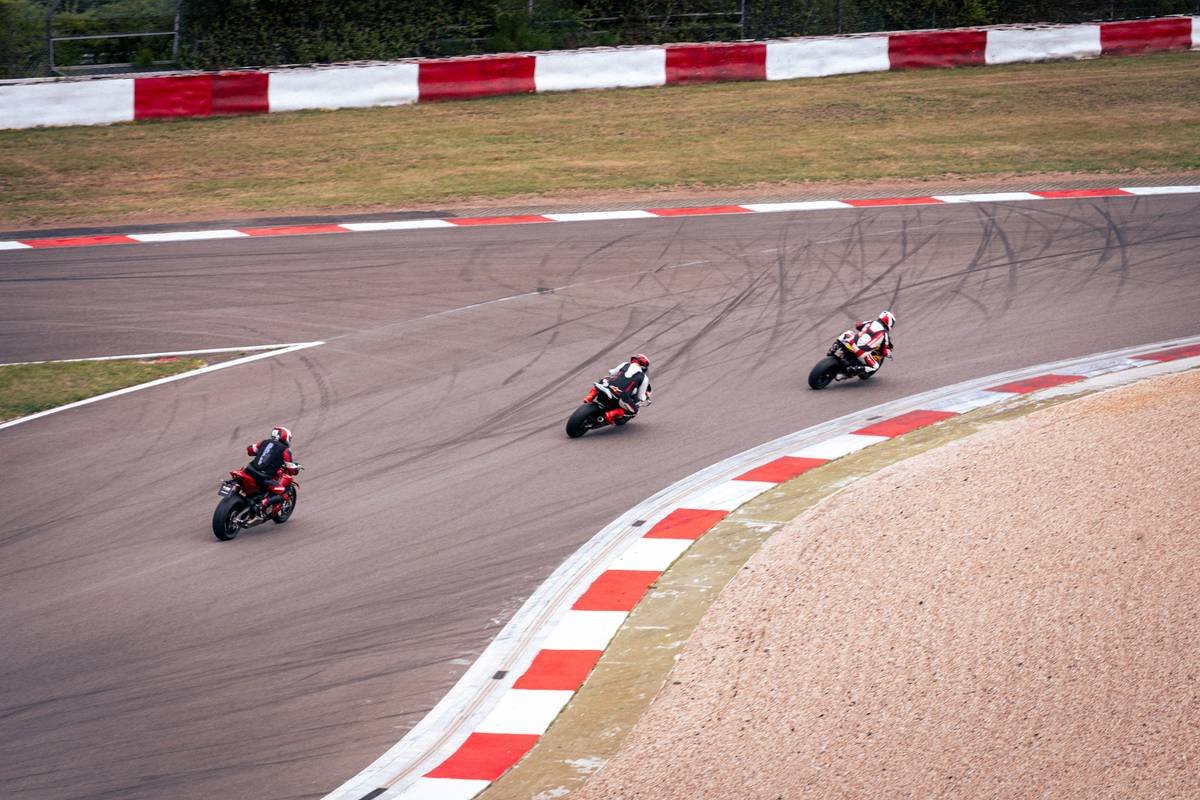
“Ever wondered why your favorite MotoGP rider didn’t just blast past the competition on that final lap? Spoiler: It might not be their fault—it could be the battery.”
MotoGP races are a symphony of speed, precision, and adrenaline. But beneath all the roaring engines and dazzling maneuvers lies an unsung hero: motorcycle battery tech. In this article, we’ll uncover how advancements in battery technology are reshaping modern racing strategies—giving some teams an edge over others. By the end, you’ll understand why energy efficiency matters more than ever in MotoGP, explore actionable insights into cutting-edge innovations, and even get a sneak peek at real-world examples from recent races.
You’ll learn:
- Why motorcycle battery tech is no longer optional but essential in MotoGP.
- Step-by-step breakdown of how batteries influence performance during races.
- Tips for understanding future trends in battery innovation (spoiler: they’re electrifying).
- Case studies showing how top riders use advanced tech to dominate tracks.
- Answers to frequently asked questions about batteries in motorsport.
Table of Contents
- The Problem With Old-School Batteries
- Step-by-Step: How Modern Battery Tech Boosts Race Performance
- Tips for Understanding Future Battery Innovations
- Case Studies Showcasing the Power of Battery Tech
- FAQs About Motorcycle Batteries in Racing
Key Takeaways
- Battery weight impacts acceleration, braking, and overall bike handling.
- Lightweight lithium-ion batteries provide significant competitive advantages.
- Data analytics powered by efficient batteries helps refine race strategies.
- Future innovations like solid-state batteries promise even higher performance gains.
The Problem With Old-School Batteries
I once thought old-school lead-acid batteries were perfectly fine for high-speed racing. Boy, was I wrong. Picture this: A bulky, outdated battery dragging down Marc Márquez as he tries to outmaneuver Fabio Quartararo. Sounds ridiculous, right?
Traditional batteries weigh too much—and in MotoGP, every gram counts. These chunks of metal drain precious seconds off lap times while hogging valuable space needed for aerodynamic tweaks. Worse still, their low energy density means less power available for telemetry systems that monitor tire pressure, suspension settings, and engine performance.
Heavy lead-acid batteries used to slow down progress in racing tech.
Now imagine swapping that clunker with a sleek lithium-ion powerhouse. Cue chef’s kiss.
Optimist You:
“Upgrading to newer battery tech can transform any team!”
Grumpy You:
“Yeah, yeah, unless your budget’s tighter than my jeans after taco night.”
Step-by-Step: How Modern Battery Tech Boosts Race Performance
Okay, let’s break it down like a pit crew briefing:
Step 1: Lighter Weight = Faster Acceleration
Lithium-ion batteries tip the scales at nearly half the weight of traditional models. This reduction translates directly to faster acceleration and better cornering agility. Think of it as giving your rider wings—or rather, rocket boosters.
Step 2: Enhanced Energy Density Fuels Advanced Electronics
New batteries store more juice per pound, allowing onboard electronics to gather critical data without draining reserves. From GPS tracking to predictive maintenance alerts, these gadgets depend on reliable power sources.
Step 3: Heat Management Keeps Things Cool (Literally)
Battery overheating? Not anymore. Modern designs include thermal regulation mechanisms, ensuring equipment stays cool under extreme conditions. No one likes a meltdown mid-race—not humans, not machines.
Sleek lithium-ion batteries revolutionize race dynamics.
Rant Moment:
Seriously, if I hear another pundit dismiss battery upgrades as “marketing fluff,” I’ll scream louder than Valentino Rossi did when he won his first world championship. Teams invest millions into R&D because every millisecond counts!
Tips for Understanding Future Battery Innovations
Want to stay ahead of the curve? Here’s your cheat sheet:
- Solid-State Batteries Are Coming: They’re denser, safer, and charge faster than current options. Perfect for endurance races where time is literally money.
- Wireless Data Transmission: Imagine sending real-time stats straight from bike sensors to team HQ via satellite—no wires required.
- Eco-Friendly Manufacturing: Sustainable production methods will soon become mandatory, appealing to green-conscious sponsors.
Pro tip: Avoid using trickle chargers designed for generic vehicles—they won’t cut it here. Invest in specialized units tailored for high-performance applications (#BeenThereDoneThat).
Terrible Tip:
“Oh sure, slap a car battery onto your Yamaha YZR-M1 if you hate winning.” Enough said.
Case Studies Showcasing the Power of Battery Tech
Let’s zoom in on two iconic moments:
Case Study #1: Honda’s Secret Weapon in 2023
Honda recently outfitted its RC213V bikes with next-gen lithium-phosphate cells. Result? Record-breaking starts off the line and unmatched stability through tough circuits like Phillip Island.
Case Study #2: Ducati’s Comeback Triumph at Misano
Ducati partnered with a Swiss firm specializing in lightweight energy storage solutions. Their GP23 model shaved milliseconds off lap times thanks to optimized electrical architecture—a game-changer against rivals.

Bikes slicing through turns powered by innovative battery tech.
FAQs About Motorcycle Batteries in Racing
Q: Why don’t all teams immediately adopt new battery tech?
A: Cost barriers exist, especially for smaller independent teams. Plus, adapting existing setups requires extensive testing.
Q: Can consumer motorcycles benefit from similar tech?
A: Absolutely. Many advancements trickle down to street bikes over time, improving daily commutes worldwide.
Q: What happens if a battery fails mid-race?
A: Catastrophe. Riders lose crucial electronic aids, making navigation nearly impossible. Prevention is key!
Conclusion
From enhancing acceleration to enabling smarter decision-making, motorcycle battery tech has proven itself indispensable in MotoGP races. While costs remain steep, forward-thinking teams recognize its undeniable ROI. Whether you’re rooting for Repsol Honda or cheering on Aprilia Racing, remember—the race isn’t just won on horsepower alone; it’s won on watts, too.
Like a Tamagotchi, your SEO strategy needs daily care. Keep optimizing, keep innovating.