Ever wondered why some MotoGP riders seem to glide effortlessly through certain tracks while others struggle? Spoiler alert: it’s not just their skill. The answer lies in something often overlooked—track elevation profiles.
In this post, we’ll uncover how track elevation profiles shape the dynamics of MotoGP races, why they matter for both fans and analysts, and how you can decode them like a pro. You’ll learn about the science behind elevation changes, actionable tips on reading these profiles, real-world examples from famous circuits, and more.
Table of Contents
- Why Track Elevation Profiles Matter
- How to Read and Analyze Elevation Data
- Tips for Harnessing Elevation Insights
- Case Study: Laguna Seca vs. Red Bull Ring
- FAQs About Track Elevation Profiles
Key Takeaways
- Track elevation profiles significantly affect rider performance and bike setups.
- Understanding elevation data helps fans predict race strategies better.
- Tools like GPS mapping apps and official MotoGP resources simplify profile analysis.
Why Track Elevation Profiles Matter
Picture yourself at Laguna Seca during a MotoGP event. One moment, riders are climbing uphill toward the infamous Corkscrew turn; the next, they’re plummeting down its steep descent. This constant shifting between climbs and drops forces them to adapt braking points, throttle inputs, and cornering techniques instantly. These challenges stem directly from the track’s elevation profile—an essential yet underappreciated aspect of racing.
I once naively thought all tracks were flat until I watched Valentino Rossi masterfully navigate the twists and turns of Phillip Island. Rookie mistake, right? Turns out, understanding elevation isn’t optional if you want to appreciate MotoGP fully. Whether you’re a fan analyzing strategy or a team engineer fine-tuning suspension settings, elevation is king.
How to Read and Analyze Elevation Data
“Optimist You:* ‘Reading elevation data is simple!’
Grumpy You:* ‘Yeah, if you enjoy deciphering squiggly lines while juggling coffee cups.'”*
Kidding aside, here’s how to break it down:
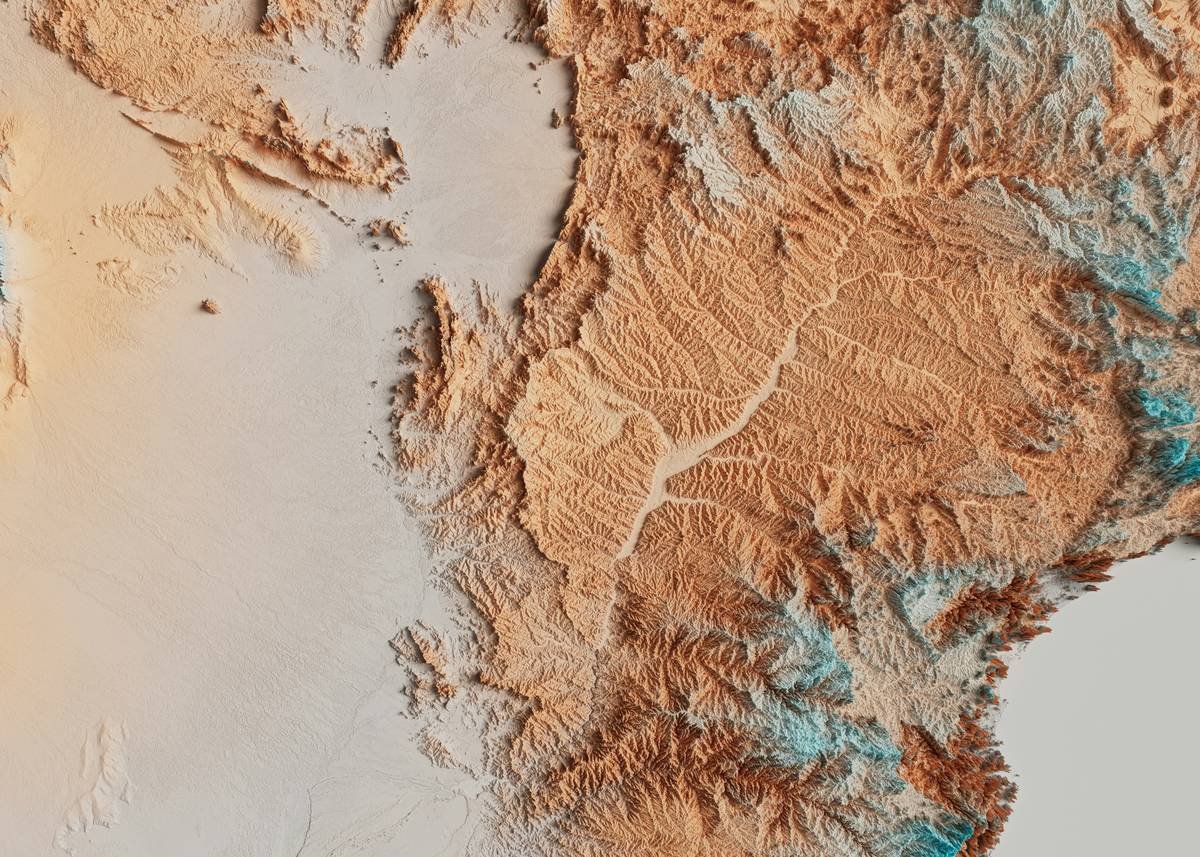
- Get Access to Reliable Data: Official MotoGP websites provide detailed elevation maps for every circuit. Alternatively, tools like Google Earth let you visualize terrain using satellite imagery.
- Identify Key Zones: Look for peaks (high elevation) and valleys (low elevation). Note sharp transitions, which demand precise control from riders.
- Understand Impact Areas: Uphill sections strain engines, whereas downhill stretches test braking stability. Tight corners following elevation shifts require exceptional balance.
Pro tip: Always cross-reference elevation maps with videos of past races. Watching pros tackle tricky zones makes abstract data tangible.
Tips for Harnessing Elevation Insights
Here’s where the rubber meets the road:
- Follow Rider Interviews: Teams tweak bikes based on elevation quirks. Listen closely—they drop hints!
- Use Simulation Tools: Apps like iRacing simulate elevation effects accurately, making you feel like you’re actually riding.
- Join Fan Forums: Communities obsess over elevation trends. It’s basically Reddit but nerdier—and awesome.
Note: *Don’t rely solely on gut feelings.* Numbers > Instinct when predicting outcomes based on elevation.
Case Study: Laguna Seca vs. Red Bull Ring
Laguna Seca = Wild rollercoaster ride. Its drastic elevation changes challenge even seasoned racers. Meanwhile, Austria’s Red Bull Ring boasts smoother gradients, favoring high-speed maneuvers over technical finesse.
To illustrate, let’s compare lap times:
| Circuit | Average Lap Time (MotoGP) | Elevation Gain/Loss |
|---|---|---|
| Laguna Seca | 1:22.5 | +/- 55 meters |
| Red Bull Ring | 1:28.0 | +/- 20 meters |
This stark contrast highlights how elevation influences everything from qualifying sessions to final standings.
FAQs About Track Elevation Profiles
What tools can I use to analyze elevation profiles?
MotoGP websites, Google Earth, and specialized apps like Strava offer robust elevation mapping features.
Do elevation profiles impact tire wear?
Absolutely! Steep ascents increase rear tire stress, while descents put extra load on front tires.
Can elevation data predict crashes?
While not foolproof, recognizing risky zones (sharp inclines after fast straights) helps anticipate potential accidents.
Conclusion
Track elevation profiles add depth to our appreciation of MotoGP races. By learning to read these patterns, you gain insight into what separates champions from contenders. So go ahead, geek out over graphs—it’s totally worth it.
And remember…
Tracks ascend, tracks descend,
But legends transcend.”
(Mic drop.)