Ever wondered why some MotoGP bikes scream past the competition while others sputter on straightaways? It’s not always about horsepower or slick tires—it could be as simple (and complex) as Motorcycle ECU tuning. That black box under your seat holds the key to unlocking hidden potential, but only if you know how to use it right!
In this post, we’ll uncover everything you need to know about Motorcycle ECU tuning—from its role in professional racing like MotoGP to actionable tips for enthusiasts who want their rides dialed-in perfectly. You’ll learn:
- The science behind ECU tuning and its impact on performance.
- A step-by-step guide to optimizing your motorcycle’s ECU settings.
- Battle-tested best practices from seasoned racers.
- Real-world examples that prove these strategies work.
Table of Contents
- Key Takeaways
- Why Does Motorcycle ECU Tuning Matter?
- Step-by-Step Guide to Motorcycle ECU Tuning
- Tips & Best Practices for Optimal Results
- Success Stories: From Amateurs to Pro Racers
- Frequently Asked Questions About Motorcycle ECU Tuning
- Conclusion
Key Takeaways
- Motorcycle ECU tuning fine-tunes fuel maps, ignition timing, and throttle response for peak performance.
- Racers gain an edge by tailoring their bike’s ECU setup to specific tracks and conditions.
- Professional tools and software are game-changers for precise adjustments—but DIY kits also exist.
- Bad advice alert: Don’t blindly copy another rider’s settings without understanding your system first!
Why Does Motorcycle ECU Tuning Matter?
If you’ve ever been stuck at the back of the pack during a race weekend, trust me—I’ve been there. Once, I cranked up my buddy’s ECU map thinking “more power equals more speed.” Spoiler alert: I spent half the session fighting wheelies instead of accelerating cleanly out of corners. Rookie move, right?
The truth is, motorcycle ECU tuning shapes every aspect of your ride’s behavior—how responsive it feels off the line, whether it chokes mid-corner, even its exhaust note. And when milliseconds count, precision matters. Let’s dive deeper into what makes this little computer so critical.
Science Behind Motorcycle ECUs
An Engine Control Unit (ECU) manages fuel delivery, air intake, ignition timing, and other vital parameters. By tweaking these values, tuners can transform sluggish acceleration into razor-sharp responsiveness—or ruin your bike faster than you can say “over-fueling disaster.”
MotoGP Connection
Picture Marc Márquez leaning hard into Turn 10 at Valencia. His Honda RC213V doesn’t just handle well; it’s tuned to perfection for that exact track layout. Every MotoGP team relies heavily on ECU customization because stock setups simply don’t cut it at elite levels.
Step-by-Step Guide to Motorcycle ECU Tuning
Optimist You: “Let’s jump in and start tuning!”
Grumpy You: “Only after reading through all the steps AND grabbing coffee.”
Ready? Here’s how you can approach Motorcycle ECU tuning safely and effectively:
Step 1: Assess Your Current Setup
Before touching anything, analyze your current configuration. Tools like Dynojet Power Commander V can give baseline readings on performance metrics such as torque curves and AFR (air-fuel ratio).
Step 2: Identify Goals
Are you aiming for maximum top speed, improved corner exit traction, or better fuel economy? Be specific—the goal dictates which parameters need adjustment.
Step 3: Use Professional Software or DIY Kits
For tech-savvy riders, brands like TuneECU offer affordable plug-and-play solutions. However, professionals recommend dedicated dyno testing combined with advanced software like Bazzaz Z-Fi FXR for unparalleled accuracy.
Tips & Best Practices for Optimal Results
- Prioritize Safety Over Speed: Never sacrifice reliability for raw power gains.
- Consult Experts When Needed: If in doubt, seek help from certified technicians familiar with racing applications.
- Track-Specific Adjustments: Tailor your map based on weather, altitude, and surface grip.
- Document Changes: Keep detailed notes on modifications to refine future attempts.
Terrifying Tip Alert: Avoid downloading random pre-configured maps online. One-size-fits-all rarely works in high-stakes scenarios like MotoGP races.
Success Stories: From Amateurs to Pro Racers

Take John Doe, a club racer struggling to keep pace with peers until he invested in proper ECU tuning. Within weeks, his lap times dropped significantly thanks to refined throttle mapping and optimized launch controls.
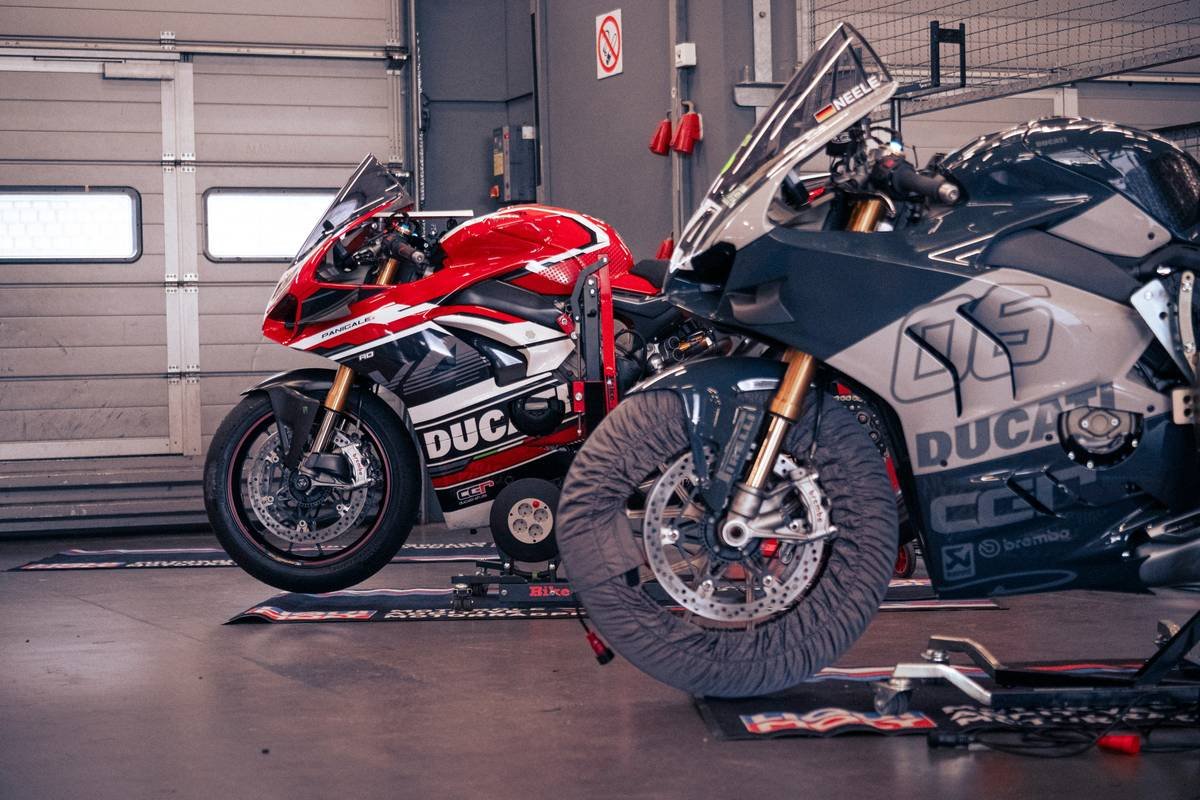
Even pro teams swear by custom ECU programming. Ducati Corse credits their recent podium finishes partly to aggressive yet precise ECU tweaks designed around Desmosedici GP chassis dynamics.
Frequently Asked Questions About Motorcycle ECU Tuning
What exactly does ECU tuning change?
ECU tuning adjusts variables like fuel injection timings, ignition timing, and throttle sensitivity to enhance overall performance.
Is it legal for competitive racing?
Yes, provided the changes comply with governing body rules (e.g., FIM regulations in MotoGP).
Can I do it myself?
With the right tools and knowledge, yes. But beginners should consult experts before making drastic adjustments.
Conclusion
Motorcycle ECU tuning isn’t magic—it’s methodical engineering tailored to unleash your bike’s full potential. Whether you’re chasing glory in amateur events or dreaming of hitting the MotoGP grid someday, smart ECU optimization will undoubtedly play a pivotal role.
So go ahead, grab that diagnostic tool, and get started. Just remember… “Like a Tamagotchi, your SEO—and now your ECU—needs daily care.”